Trying to choose between living steps from Santa Cruz Avenue or a quiet hillside with views? You are not alone. Los Gatos offers several distinct lifestyles within a few miles, and each one comes with different home types, lot styles, and daily rhythms. This guide breaks down how the main areas compare so you can focus your search with confidence. Let’s dive in.
Downtown Los Gatos at a glance
Home styles and lots
Downtown clusters older single-family homes like Victorians, Craftsman cottages, bungalows, and early 20th-century houses close to shops and cafes. You also find small multifamily buildings, condos, and townhomes within walking distance of Santa Cruz Avenue. Lots tend to be smaller with shallower setbacks, and some properties have converted garages or rear units.
Lifestyle and amenities
If you love to park once and stroll, downtown delivers. You can walk to restaurants, boutiques, coffee shops, seasonal markets, and community events. The tradeoff is less private yard space and more pedestrian activity, especially on evenings and weekends.
Parking and access
On-site parking can be limited. Many homes rely on street parking or nearby municipal lots, and some blocks use residential permit zones. The central location can trim a few minutes off local drive times compared with the distant hills, but expect typical downtown traffic during popular hours.
Who it fits
Choose downtown if you prioritize walkability and convenience. You get a lively street scene, faster access to everyday services, and a mix of housing options. The premium you pay goes toward location and lifestyle rather than lot size.
Blossom Hill corridor overview
Home styles and lots
South and central Los Gatos along Blossom Hill Road and Los Gatos Boulevard feature mid-century ranches, post-war tract homes, and subdivision single-family houses. You will also find clusters of townhomes and condo communities built from the 1960s to the 1990s, plus some newer infill. Lots are more typical suburban sizes with front and back yards.
Lifestyle and amenities
This corridor is more car-oriented. Shopping centers, grocery stores, and services are nearby, but you usually drive for errands. In exchange, you often get more interior square footage for the price compared with downtown, plus easier garage access and more surface parking.
Commute patterns
Arterials like Blossom Hill Road and Los Gatos Boulevard feed to CA 17, SR 85, and I 280. Most residents drive rather than walk to daily destinations. Your commute hinges on local arterial traffic and freeway conditions more than neighborhood walkability.
Who it fits
Consider Blossom Hill if you want a classic suburban house with a yard and convenient freeway access. You trade some walkable charm for interior space, parking ease, and a familiar neighborhood feel.
Foothills and hillside living
Home styles and lots
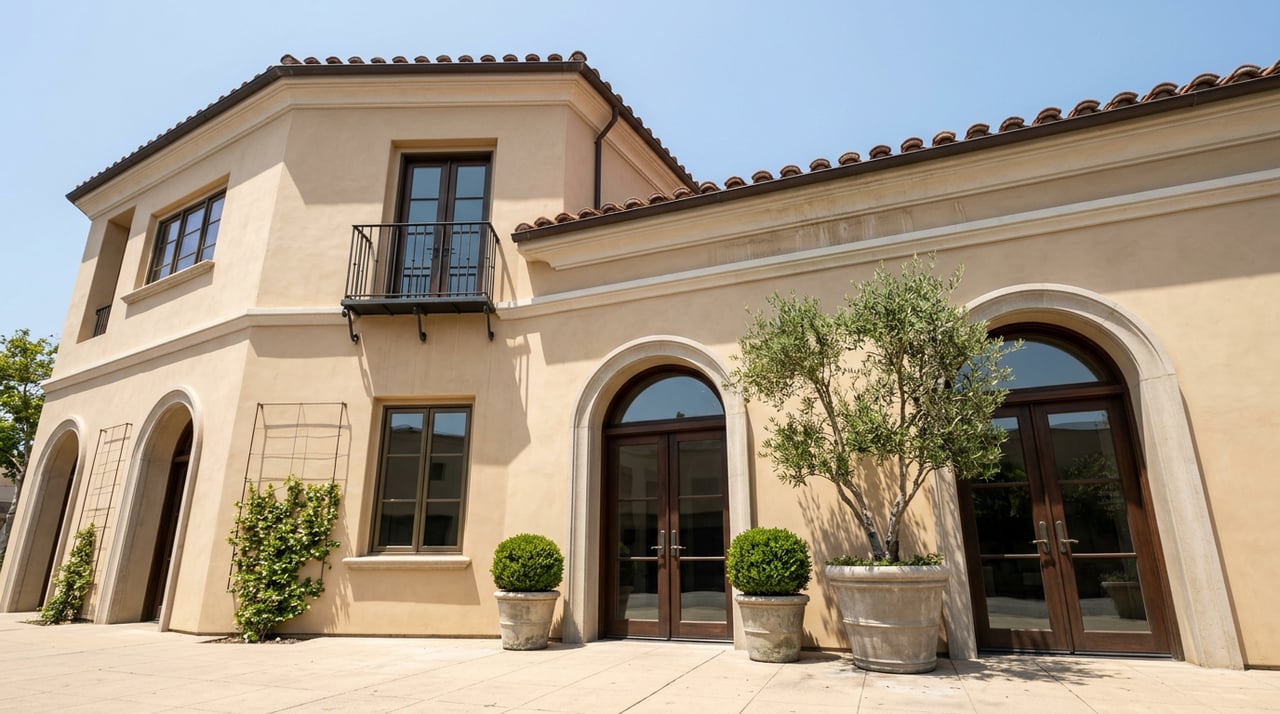
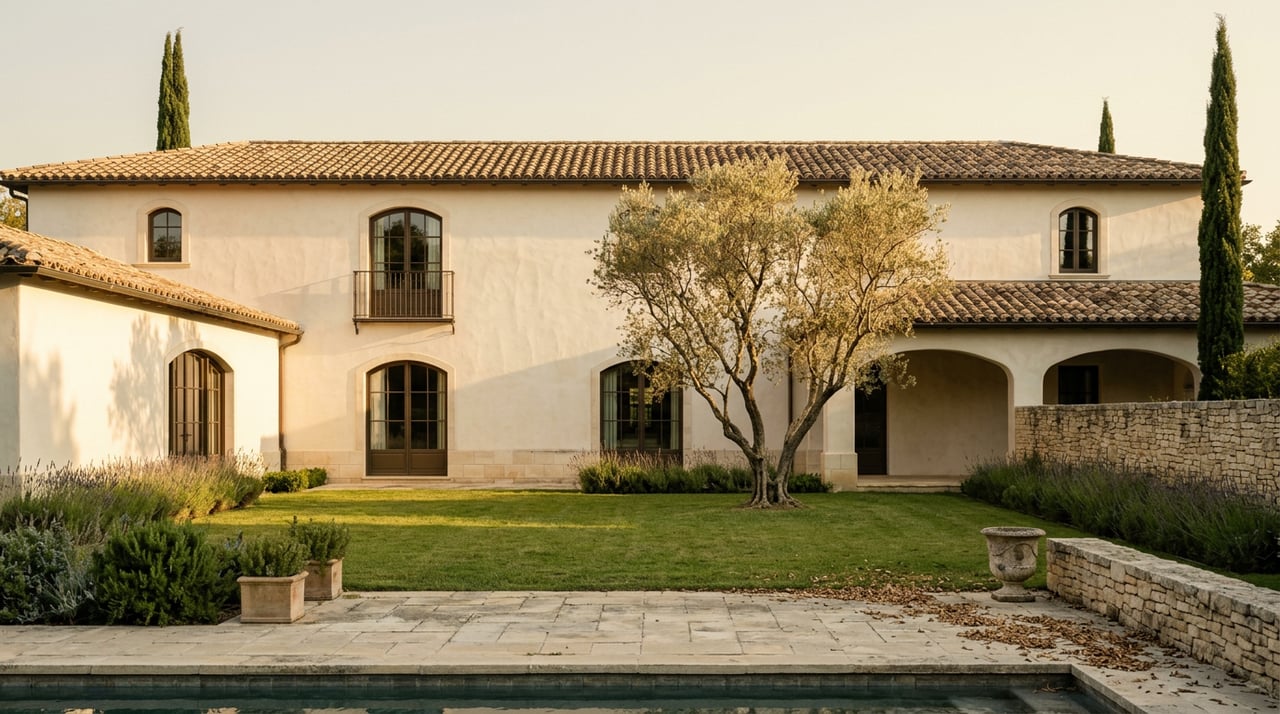
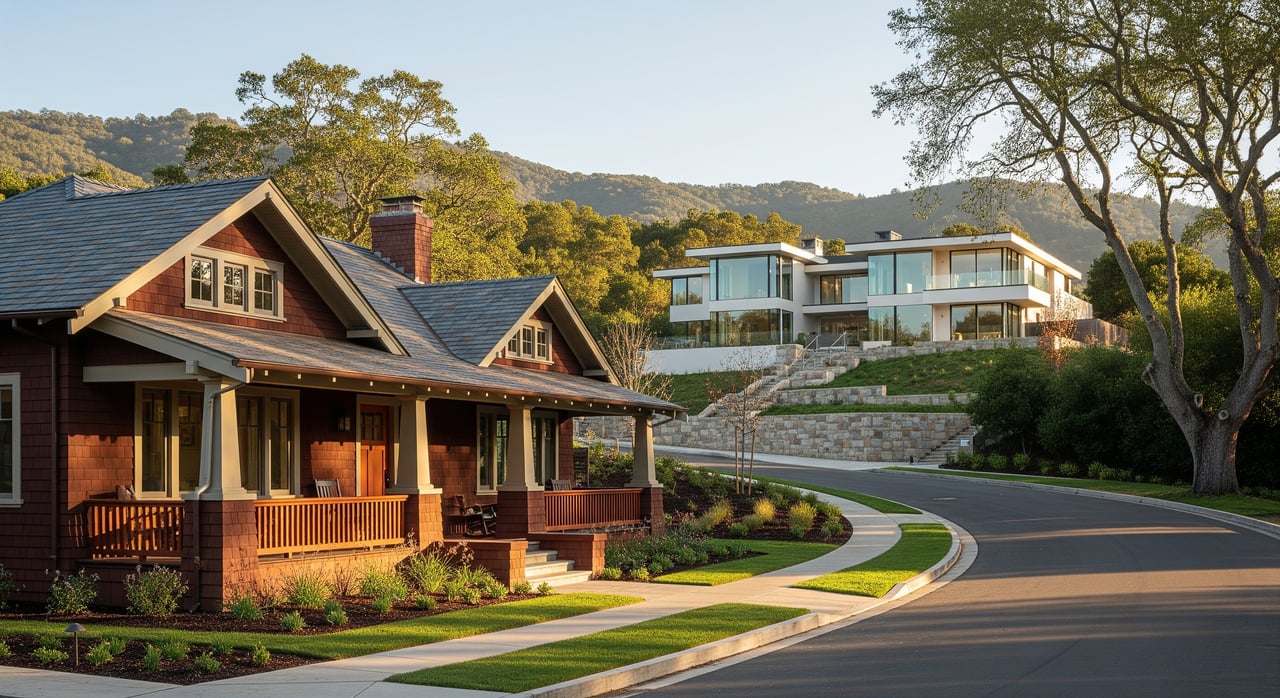
The north and west slopes above the valley offer larger custom homes, expanded mid-century ranches, Mediterranean and Spanish-inspired builds, and contemporary designs. Architecture varies by site. Lots tend to be larger with steeper terrain, terraces, and longer driveways. Some properties span multiple acres and feature extensive native vegetation.
Lifestyle and amenities
Hillside living is about privacy, views, and open space. You are closer to trailheads and regional preserves and farther from daily retail. Public transit is limited, and your weekly routines will likely include planned errand runs into town.
Access and maintenance
Expect winding roads and longer or less direct drives, especially during heavy commute hours or winter weather. Steep driveways, retaining walls, and drainage systems can add maintenance. Insurance considerations are more common here, particularly in areas with elevated wildfire exposure.
A note on Monte Sereno
Monte Sereno is a separate city next to Los Gatos that many buyers consider alongside the hills. It shares a similar foothill character with custom homes and larger lots. Treat it as distinct for permits and regulations, even if the lifestyle and terrain feel comparable.
Who it fits
Choose the foothills if you value privacy, views, larger lots, and direct access to nature. You trade walkability and quick errands for a quieter setting and outdoor connection.
Commute and transportation in Los Gatos
Key routes
Most residents rely on CA 17 for San Jose and Santa Cruz connections, I 280 for the Peninsula, and SR 85 for east-west links. Local arterials like Los Gatos Boulevard and Blossom Hill Road carry most in-town trips.
Transit and biking
Los Gatos does not have a Caltrain station, and VTA bus coverage is lighter than in denser parts of the South Bay. Many commuters drive or use employer shuttles. Bike commuting is more feasible downtown and along flatter streets and portions of the Los Gatos Creek Trail. Steeper foothill roads are less bike-friendly.
Parking realities
Downtown includes municipal lots and meters, and some blocks use residential permits. Suburban and hillside homes usually have garages and driveways, though hillside driveways can be steep or long. Confirm guest parking options and any permit rules before you buy.
Everyday lifestyle and parks
Dining and shopping
Downtown’s Santa Cruz Avenue is the hub for restaurants, boutiques, cafes, and evening activity. Blossom Hill and Los Gatos Boulevard offer grocery-anchored centers and service businesses. The foothills have minimal retail, so plan to drive into town for errands.
Recreation and open space
Los Gatos is rich in outdoor options, including the Los Gatos Creek Trail, Vasona Lake County Park, Belgatos Park, nearby Midpeninsula Open Space preserves, and regional destinations like Castle Rock State Park. Foothill residents often have trailheads close by. Downtown and Blossom Hill residents enjoy quick drives to these same resources.
Noise and light
Downtown has higher pedestrian and evening activity. Blossom Hill corridors can hear arterial traffic. The foothills are generally quieter with less street lighting, plus occasional vegetation management activity for wildfire safety.
Risks and regulations to understand
Wildfire and defensible space
Parts of the foothills lie within higher wildfire hazard zones. You should review official fire severity maps, talk to your insurer about coverage, and budget for vegetation management. Defensible space and brush clearing are ongoing responsibilities in many hillside areas.
Slope and geotechnical factors
Hillside properties can require geotechnical evaluations for additions or renovations. Drainage, slope stability, and foundations deserve close attention. Building timelines may be longer when a site involves steep terrain or complex engineering.
Insurance and utilities
Insurance premiums can be higher or more variable in hillside zones due to wildfire and slope risk. Most properties within town use municipal water and sewer, but confirm the specific connections for any home you are considering.
Parking and emergency access
Steep driveways, narrow roads, and limited turnarounds can affect access for deliveries and emergency vehicles in the hills. Check for easements, fire access requirements, and safe turnaround space before you commit.
HOAs, CC&Rs, and design review
Condo and planned communities, more common around Blossom Hill, often have HOAs with rules on maintenance, exterior changes, and shared amenities. Downtown single-family homes typically have fewer covenants, though some pockets include historic overlays or design review guidelines. Hillside parcels can be subject to town hillside development policies that influence what and how you can build.
Resale factors
Walkable downtown homes and foothill view properties both draw strong buyer interest, though for different reasons. Blossom Hill homes often compete well on interior space and value but may lag the premiums that come from prime walkability or panoramic views. Your long-term outcome depends on the specific property’s strengths and how well you maintain and improve it.
Quick compare checklist
- Downtown core: walk to shops and dining, smaller lots, more mixed housing types, limited on-site parking, lively street activity.
- Blossom Hill corridor: classic suburban lots, more interior square footage for the price, car-oriented errands, easier garage access.
- Foothills and hillsides: larger lots and privacy, custom homes, steeper terrain, higher maintenance and insurance considerations.
How to narrow your search
- Define your daily rhythm. List the 3 errands or activities you do most often. If they are downtown-based, the core may fit. If you want a yard and quick freeway access, explore Blossom Hill. If views and privacy win, focus on the hills.
- Test-drive the route. Drive your likely commute and school drop-offs during peak hours. Include a weekend morning and evening run to shopping areas.
- Walk the block. Visit homes at different times to feel traffic, light, and foot activity. Check parking patterns at night.
- Confirm practicals. Ask about HOAs and rules, review any historic or hillside guidelines, and verify utility hookups and parking arrangements.
- Assess risk and cost. For hillside properties, consult fire maps, insurers, and local contractors about vegetation management, drainage, and access.
- Plan for resale. Consider which features will attract future buyers, such as walkability, views, or yard usability.
Work with a local advisor
Choosing between downtown charm, suburban ease, and hillside privacy is easier when you have guidance from someone who knows the terrain block by block. A local, consultative approach helps you weigh tradeoffs, confirm risks, and focus on homes that match how you want to live. If you are ready to tour neighborhoods and fine-tune your strategy, connect with Brian Flack for hands-on, hometown advice.
FAQs
What makes downtown Los Gatos different from Blossom Hill?
- Downtown prioritizes walkability and mixed housing on smaller lots, while Blossom Hill offers more classic suburban homes, larger yards, and car-oriented errands.
How does parking typically work for downtown Los Gatos homes?
- Many properties rely on street parking or municipal lots, and some blocks use residential permit zones, so confirm guest and permit details before you buy.
What should buyers know about wildfire risk in the Los Gatos hills?
- Parts of the foothills are in higher wildfire hazard zones, which can affect insurance costs and require ongoing defensible-space maintenance and vegetation management.
Is public transit a realistic option for daily commuting in Los Gatos?
- Transit coverage is limited, there is no Caltrain station, and most residents rely on driving or employer shuttles, with VTA buses serving select corridors.
How do HOAs and CC&Rs affect buyers around Blossom Hill?
- Condo and planned communities often include rules on maintenance and exterior changes, so review HOA documents, fees, and reserve health early in due diligence.
How does Monte Sereno compare with Los Gatos hillside living?
- Monte Sereno is a separate city with a similar foothill feel, larger lots, and custom homes, but permits and regulations are distinct and should be verified.