Thinking about selling your Los Gatos home this winter? You can still win. Our Mediterranean climate brings a distinct wet season and shorter days, which changes how buyers see your home and how you should prepare. With smart curb work, strategic lighting and photography, solid HVAC and air quality, and a well-timed launch, your listing can stand out. Here is a clear plan tailored to Los Gatos so you can move forward with confidence. Let’s dive in.
Why winter can work in Los Gatos
Winter brings fewer new listings, which often means less competition. The buyers who are active now tend to be motivated and ready to move when they see the right home. Your job is to reduce friction and make your home feel easy to own.
Shorter daylight and wet weather make presentation more important. Focus on clean, safe access, warm lighting, and maintenance that shows you care. When you control what buyers experience, the season matters less.
Rainy-season curb appeal that shines
Drainage and walkways
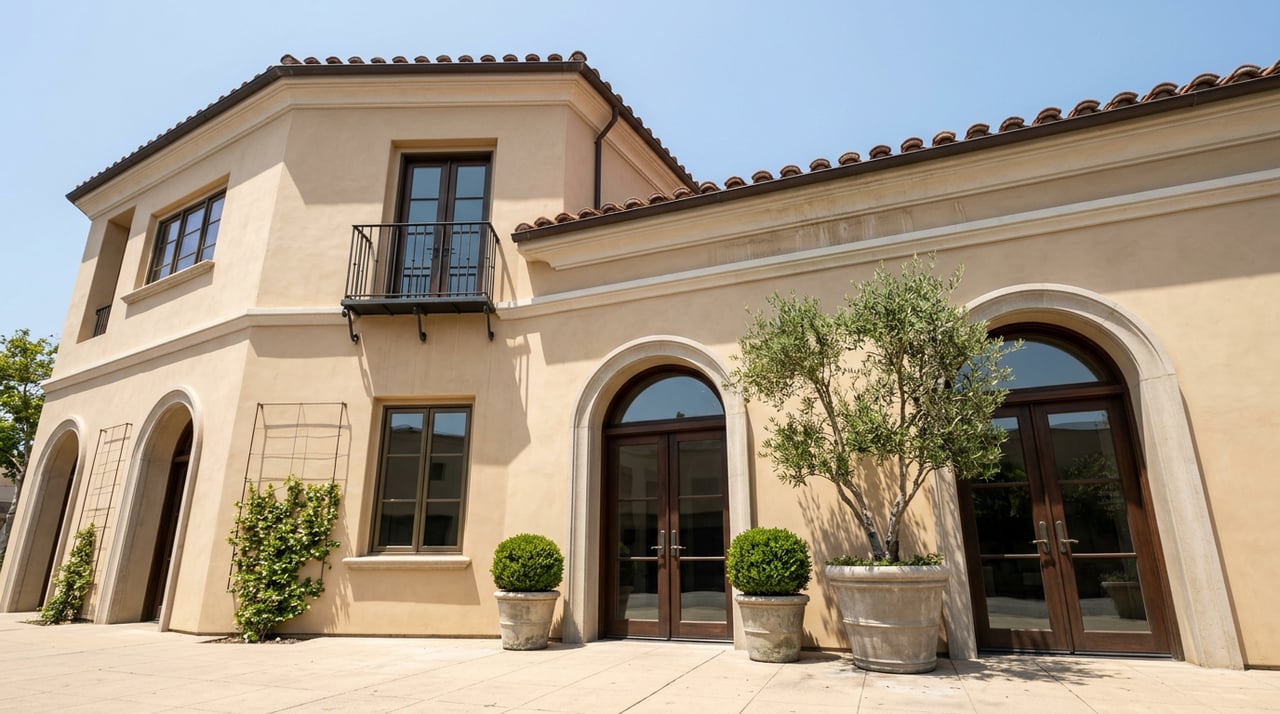
Start with water management. Clear gutters and downspouts, and make sure downspouts carry water away from the foundation. Walk the property after a rain and fix low spots where water pools near paths or the house.
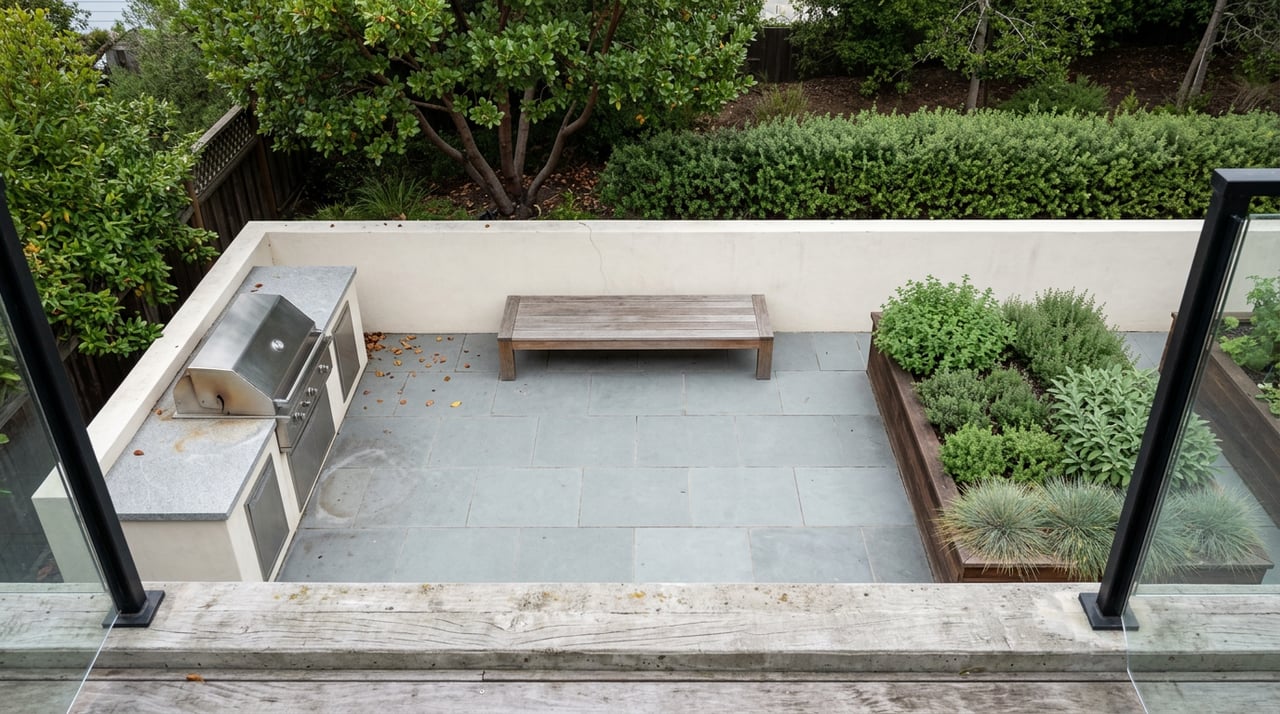
Repair or reseal any walkway that puddles. Add textured mats or anti-slip treads at steps and porches. Trim hedges, remove dead plants, rake leaves, and clear moss so everything looks cared for and safe.
Exterior surfaces and lighting
Power wash siding, steps, and paths when weather allows. Touch up exterior paint where peeling or scuffed areas stand out. Replace any burnt-out bulbs and test all exterior lights so your entry and paths glow at dusk.
Dress the porch with a clean mat and a simple evergreen or potted citrus. Keep it understated and tidy. In winter, small details do a lot of work.
Safety and access
Secure handrails and confirm steps are stable. Keep a discrete umbrella stand and a shoe-cover station near the entry. If a shaded corner gets slick, use temporary traction materials to keep visitors safe.
Roof and foundation cues buyers notice
Visually inspect the roof for missing shingles or tiles and address obvious issues. Check crawlspace vents and visible foundation areas for signs of water staining. If something needs repair, fix it or be ready to disclose it clearly.
Photography strategy: daylight and twilight
Plan around short days
Winter days are shortest around late December. Try to schedule interior photography for late morning to early afternoon when natural light is best. North-facing rooms often need more help from interior lighting, so prepare lamps and fixtures in advance.
If a clear day is not available, choose an overcast day that provides soft, even light. Focus your exterior shots on the moments when the yard and hardscape are clean and free of puddles.
Twilight that sells
Twilight photos can be a winter superpower. When interior and landscape lights are on, your home reads warm and welcoming against a deepening sky. Time these shots shortly after sunset, and turn on all interior and exterior lights 15 to 30 minutes beforehand.
Keep color temperatures consistent so the glow feels cohesive. This simple step can elevate both your photos and evening showings.
Interior lighting that flatters
Upgrade bulbs to brighter LEDs in warm tones. Aim for 2700 to 3000K for a cozy feel, or 3000 to 3500K for a slightly whiter look. Avoid mixing very warm and very cool bulbs in the same room.
Use multiple light sources in each space. Combine ceiling fixtures with floor and table lamps, and turn them all on for photos and showings. This reduces shadows and makes rooms feel larger and more inviting.
Windows and fireplaces
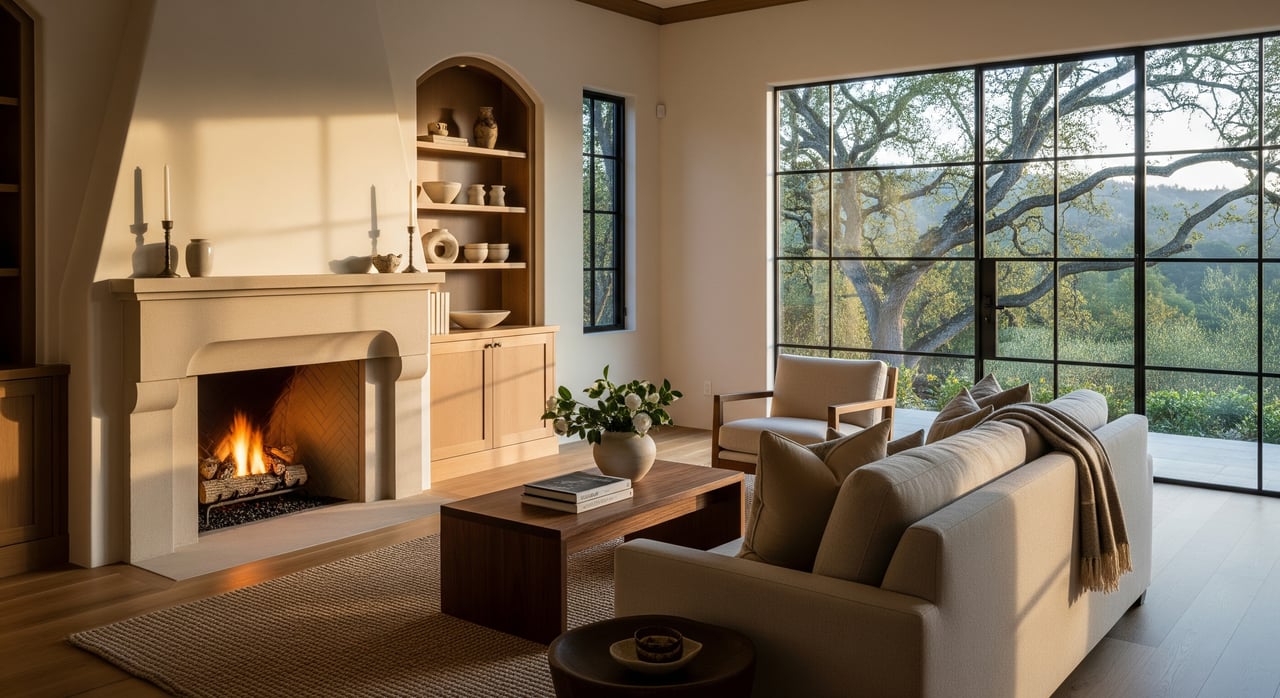
Clean windows inside and out. Open curtains and blinds fully for photos, or use sheer panels if the yard is wet and not picture-ready. If you have a fireplace that is clean and safe to use, light it for photography and evening tours. If not, stage with candles or realistic electric logs.
Warm, healthy interiors buyers notice
Heat and comfort
Set your thermostat to a comfortable range, typically 68 to 72 degrees. This shows that your systems work without making the house feel stuffy. If you use any supplemental heaters for staging, place them safely and avoid giving the impression the central system is inadequate.
Replace HVAC filters and have recent service records ready. Buyers feel more confident when they can see basic maintenance is handled.
Filtered, clean air
Winter often means closed windows and more indoor allergens. Consider a higher MERV filter that is compatible with your system, and use portable HEPA purifiers if you have odor or dust concerns. Clean carpets and upholstery to reduce dander and odors.
Keep humidity in a healthy range. Ideal indoor relative humidity is generally 30 to 50 percent. If a basement or crawlspace runs damp, use a dehumidifier to avoid musty smells.
Moisture and mold prevention
Look for stains, peeling paint, or musty odors in attics, basements, or bathrooms. Address any visible mold with proper remediation and keep documentation. Disclose known water intrusion honestly. Clear communication reduces surprises during inspections.
Odor control that feels natural
Eliminate sources rather than masking them. Deep-clean kitchens and baths, wash textiles, and run exhaust fans during and after cooking. On mild days, a short window-open routine can refresh the air before a showing.
Timing your winter listing
Late November to mid-December
New listings slow as many people focus on year-end events. Showings may be lighter, but the buyers who remain are often serious. If you list now, be realistic on pricing and lean into presentation.
Avoid the Thanksgiving week if possible. If you must list then, invest in strong photos and virtual assets to keep attention.
Holiday weeks
The two-week period from mid-December into early January is traditionally quiet. Many agents and buyers travel, and search activity dips. Consider completing prep and photos during this period, then go live just after the major holidays.
Early January advantage
The first two to three weeks of January can be an ideal window. Buyers restart their searches, and inventory often remains low. A polished listing can stand out with less competition.
Late January through March
Momentum builds as winter progresses. Expect more buyers and more listings. If you launch later in Q1, plan your pricing and marketing to compete on quality and value.
A practical prep timeline
6 to 8 weeks before listing
- Inspect roof, gutters, downspouts, and grading. Schedule needed repairs.
- Service the HVAC system and replace filters. Test carbon monoxide and smoke detectors.
- Declutter, deep-clean, and schedule carpet and upholstery cleaning.
- Address any interior moisture issues and consult a remediation pro if needed.
- Gather maintenance receipts and service records for disclosures.
2 to 3 weeks before listing
- Finalize a staging plan for main rooms.
- Power wash walkways and porch if weather permits, and touch up exterior paint.
- Replace bulbs with consistent warm LEDs and confirm exterior lighting works.
- Schedule professional photography for a clear day or plan for twilight shots.
Listing week
- Set the thermostat to a comfortable level for photos and showings.
- Turn on all lights, open curtains, and light the fireplace if safe.
- Place an umbrella stand and shoe covers at the entry and dry walkways before tours.
- Upload HVAC service cards, maintenance records, and disclosures to the listing packet.
After going live
- Keep blinds adjusted and lights ready for late-afternoon and evening showings.
- After rain, quickly clear the porch, shake out rugs, and wipe any puddles.
- Be flexible on private showings. Motivated winter buyers sometimes tour on tight schedules.
Quick showing-day checklist
- Temperature set to 68 to 72 degrees.
- All interior and exterior lights on, bulbs color-matched.
- Entry mats clean, umbrella stand and shoe covers ready.
- Walkways dry and safe, porch styled but uncluttered.
- Windows clean, blinds open, and fireplace staged or lit.
- Fresh air or purifiers run beforehand for neutral scent and clean feel.
The bottom line
Winter in Los Gatos rewards sellers who prepare. If you handle water, light, comfort, and timing, you can meet motivated buyers with a home that looks and feels ready. A clear plan beats waiting for a perfect season.
If you would like a local, step-by-step plan tailored to your property, connect with Brian Flack. You will get hometown guidance, precise pricing strategy, and premium listing presentation backed by Coldwell Banker distribution.
FAQs
Should I wait until spring to sell in Los Gatos?
- Not necessarily. With strong prep and presentation, winter can work well because competition is lower and active buyers are motivated.
How do rainy-day photos affect my listing?
- Gray, rainy photos can feel flat, so aim for a clear day or invest in twilight shots and warm interior lighting to create an inviting look.
What thermostat setting is best for winter showings?
- Keep it comfortable, generally 68 to 72 degrees, to show your heating system is effective without feeling overly warm.
Do I need to disclose past moisture or mold issues?
- Yes. Address visible problems and disclose known water or mold history; documentation builds buyer trust and reduces inspection friction.
Are winter buyers focused on energy efficiency and HVAC?
- Often yes. Buyers notice drafty windows, older furnaces, and filter maintenance, so highlight recent HVAC service, upgrades, or smart thermostats.