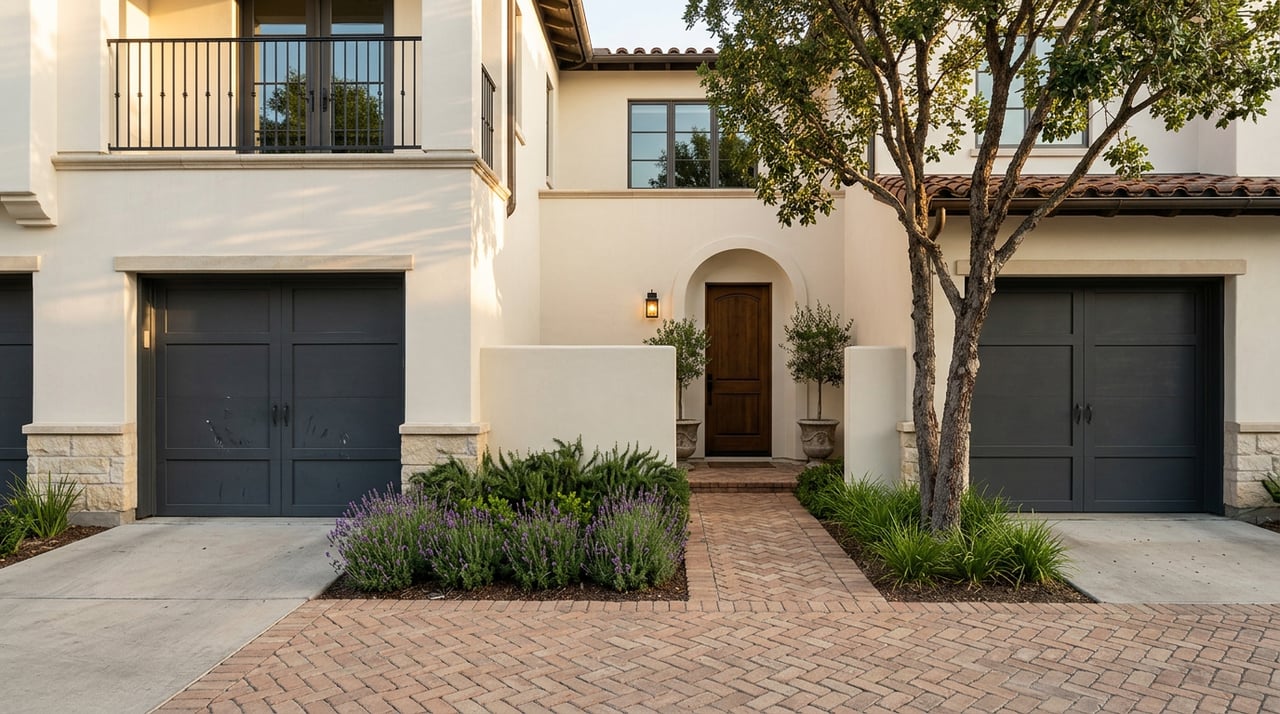
Thinking about a Los Gatos condo or townhome so you can stay close to trails, restaurants, and services without the upkeep of a large yard? You are not alone. In a market where single-family homes often sit at multi-million price points, attached homes can be a smart, more accessible path to ownership. In this guide, you will learn how pricing typically stacks up, what HOA fees really cover, how financing works for condos versus townhomes, and what to check before you buy. Let’s dive in.
Why condos and townhomes here
Los Gatos single-family homes usually command premium prices, which makes condos and townhomes appealing alternatives for many buyers. Portal snapshots in late 2024 through early 2026 showed smaller and older condos sometimes listing in the mid-to-high hundreds of thousands to roughly the mid-$800,000s, while townhomes more often traded around the 1.0 to 1.8 million range, with some larger or gated communities above that. Actual values shift by location, floor plan, year built, and updates, so recent comparable sales matter more than citywide medians.
Inventory for attached homes is limited compared to single-family homes. Well-kept units near downtown or within amenity-rich communities can move quickly. Others can linger if there are financing restrictions, HOA issues, or if updates are needed. If you are timing a purchase, keep an eye on active listings and days on market for your target complex.
Condo vs. townhome basics
Condos and townhomes look similar at first glance, but they work differently.
- Ownership structure:
- Condos commonly cover the building shell and shared areas through the HOA, while you own the interior airspace of your unit.
- Townhomes often function like Planned Unit Developments (PUDs), where you own the structure and sometimes a small yard, and the HOA maintains common areas.
- Layout and parking:
- Condos often include assigned garage spaces or carports and may have storage lockers. Confirm whether spaces are deeded, assigned, or first-come.
- Townhomes more often have attached one or two-car garages and small patios or yards.
- Monthly costs:
- Condos sometimes have higher HOA fees because more exterior maintenance and insurance is pooled.
- Townhome dues vary by amenities and what exterior items the HOA maintains.
Both options can deliver low-maintenance living with access to pools, green space, and proximity to shopping and trails. The difference comes down to what you want to maintain yourself, how you plan to finance, and what rules fit your lifestyle.
HOA fees: what they cover
Most Los Gatos HOAs handle exterior maintenance, landscaping, common areas, and shared amenities such as pools, spas, or clubhouses. Many HOAs also include master insurance for the building shell and common areas. Some communities cover water and trash, while others bill utilities separately. The only reliable way to know is to read the HOA’s resale disclosure packet.
- Typical fee ranges you will see:
- Many townhome communities with pools and landscaping often land in the mid-hundreds per month.
- Amenity-rich gated communities with multiple pools, tennis, trails, a lake, or RV parking usually have higher dues to fund operations and reserves.
When you receive the resale packet, check the budget, reserve study, and insurance summary. California requires associations to provide a disclosure package with governing documents, budgets, insurance details, and assessment information before a sale. Review the required HOA documents outlined in California Civil Code so you understand assessments, rules, and insurance coverage. You can read what must be included in the seller-provided packet in Civil Code section 4525. For what goes into the annual budget and reserve reporting, see Civil Code section 5300. For the reserve summary itself, including percent funded and projected costs, see Civil Code section 5565.
- Helpful references:
- Review the seller and HOA disclosure packet requirements in California Civil Code section 4525.
- See what associations must disclose annually in Civil Code section 5300.
- Learn what a reserve summary must include in Civil Code section 5565.
Financing: what changes for condos
Financing for condos can be more complex than for townhomes or single-family homes because lenders evaluate the entire condo project, not just your unit. Your lender will check project-level eligibility for Fannie Mae and Freddie Mac, and buyers using FHA or VA loans need project approvals too. If a project is not eligible for standard agency financing, some buyers may need cash or portfolio loans, which can shrink the buyer pool and affect pricing.
- Key steps:
- Ask your lender early to run the project through Fannie Mae’s Condo Project Manager to confirm eligibility. You can learn the process through Fannie Mae’s Condo Project Manager overview.
- If you plan to use an FHA loan, confirm the community is on HUD’s approved list using the FHA condo lookup tool.
- Request any existing project approvals or prior eligibility letters from the seller or HOA.
Do not remove financing contingencies until your lender has cleared the project’s eligibility and reviewed HOA documents like the budget, reserves, and insurance.
Insurance and property taxes
The HOA’s master policy typically covers building exteriors and common areas. You will usually carry an HO-6 condo policy for interior finishes, personal property, and liability. Many owners also consider loss-assessment coverage and separate earthquake insurance, since earthquake and flood are usually not included in the HOA’s master policy. For a simple walkthrough of HO-6 coverage and what it can include, review this condo insurance guide.
For property taxes, Santa Clara County follows Proposition 13, which sets a base rate at 1 percent of the assessed value with additional voter-approved bonds and assessments on top. The combined rate is typically a bit above 1 percent. Always check the parcel’s actual tax bill and look for any Mello-Roos or parcel taxes that may apply. The county provides helpful context in its assessment information booklet.
Lifestyle and neighborhoods to know
Los Gatos gives you several distinct flavors of condo and townhome living:
- Downtown proximity: Smaller condo developments, including some age-restricted options, sit near restaurants, shops, and the Los Gatos Creek Trail. If walkability matters to you, focus your search on streets close to Santa Cruz Avenue and the trailheads.
- Gated, resort-style communities: Larger townhome communities with lakes, pools, tennis, and trails offer a private neighborhood feel with strong amenity sets. Expect higher monthly dues and attached garages.
- Classic townhome clusters: Two-story townhomes from the 1970s and 1980s often offer 2 to 3 bedrooms, 1 to 2-car garages, and community pools. These can be great for buyers who want more space and parking with fewer maintenance responsibilities than a single-family home.
Match the neighborhood feel to your day-to-day life. Do you want a lock-and-leave setup near coffee and dining, or do you prefer a quieter, gated setting with on-site recreation?
Parking, storage, and EV charging
Parking and storage vary widely by complex. Some condos include one assigned garage space and a storage locker, while others have carports or open lots with guest passes. Townhomes more often include attached garages and driveways.
Before you write an offer, confirm:
- How many spaces you get, and whether they are deeded or assigned.
- Guest parking rules and any permit requirements.
- Storage locker size and location.
- The community’s EV charging policy, including whether you can install a charger and any cost-sharing rules.
- Pet rules and breed, weight, or count limits that could affect your plans.
Who benefits most from attached homes
- First-time buyers: Condos and townhomes can lower your entry price compared to single-family homes and reduce maintenance. Budget for HOA dues and read the reserve study so you understand long-term costs.
- Downsizers: Single-level units, age-restricted communities, and amenity-rich townhomes can deliver comfort and convenience with less upkeep. Confirm elevator access, parking proximity, and any community age restrictions in the documents.
- Investors: Rental rules, minimum lease terms, and occupancy caps are set in the CC&Rs and rules. Always review the HOA’s rental policies in the seller’s disclosure packet. California outlines what must be delivered in a resale packet in Civil Code section 4525.
Legal framework is evolving
California’s Davis-Stirling Act, which governs common-interest developments, has seen updates in recent years. Some bills expand inspection, disclosure, and record-access obligations for associations. Expect HOA documents to reference updated requirements as new laws roll out. You can track sample legislative activity, such as SB 410, through the state’s site.
Buyer due-diligence checklist
Use this quick list to stay organized once you are in escrow. Request items early so you have time to review them.
- Full HOA resale packet with governing documents, CC&Rs, bylaws, rules, recent meeting minutes, budgets, reserve study summary, insurance declarations, and your unit’s assessment ledger. See the required contents in Civil Code section 4525.
- Annual budget and the latest reserve summary. Confirm percent funded, remaining life for major components, and whether special assessments are planned. Requirements for reserve reporting appear in Civil Code section 5565.
- Master insurance declarations and HOA deductibles. Discuss HO-6, loss-assessment, and optional earthquake coverage with your insurance advisor. A clear overview of coverage types is here: condo insurance guide.
- Evidence of project eligibility for your loan. Ask the HOA for any FHA or VA approvals and have your lender verify through Fannie Mae’s CPM and the FHA condo lookup.
- HOA financial health indicators. Request accounts receivable aging for assessment delinquencies, recent or pending litigation disclosures, and board minutes referencing capital repairs or special assessments.
- Practical living rules. Confirm parking space count and type, storage, guest parking, EV policy, pet rules, rental restrictions, and move-in/move-out fees and scheduling.
- Property tax details. Review the parcel’s prior tax bill and estimate the new bill using Prop 13’s base 1 percent plus local bonds. For context, see the county’s assessment information booklet.
Work with a local advisor
Choosing the right Los Gatos condo or townhome comes down to matching your lifestyle with the community’s rules, reserves, and financing profile. With limited inventory and project-level nuances, having a neighborhood-rooted guide helps you compare true monthly costs, spot red flags in the documents, and negotiate with confidence. If you are weighing downtown walkability against gated amenities, or deciding between a condo and a townhome for financing reasons, let’s talk through the tradeoffs in plain English.
Have questions or want a custom shortlist of communities that fit your budget and wish list? Reach out to Brian Flack for a friendly, data-backed consultation.
FAQs
What should a first-time Los Gatos condo buyer review before making an offer?
- Ask for the HOA resale packet, reserve summary, master insurance declarations, and any project-eligibility documents, then have your lender confirm agency approval before removing contingencies.
How do HOA reserves affect my monthly costs and risk?
- Strong reserves reduce the chance of special assessments, while weak reserves can lead to extra owner costs. Check the percent funded and planned component replacements in the reserve summary.
What is different about financing a condo versus a townhome?
- Lenders underwrite condo projects as a whole, so project eligibility can impact your loan options and rate. Townhomes in PUDs often face fewer project-level hurdles, but rules vary by community.
What does an HO-6 condo insurance policy usually cover?
- An HO-6 typically covers interior finishes, personal property, and liability. Many owners add loss-assessment coverage and consider separate earthquake insurance since the HOA master policy is limited.
How are Los Gatos property taxes calculated on a condo or townhome?
- Under Prop 13, your base tax is about 1 percent of assessed value plus local bonds and assessments. Review the parcel’s tax bill and check for any Mello-Roos or parcel taxes.
What lifestyle tradeoffs should I expect with condo or townhome living?
- You gain convenience and amenities but accept HOA rules, dues, and shared walls. Confirm parking, storage, guest policies, EV charging options, and any rental or pet restrictions to ensure a good fit.